
Dog Ownership and the Law in Ireland: A Plain English Guide
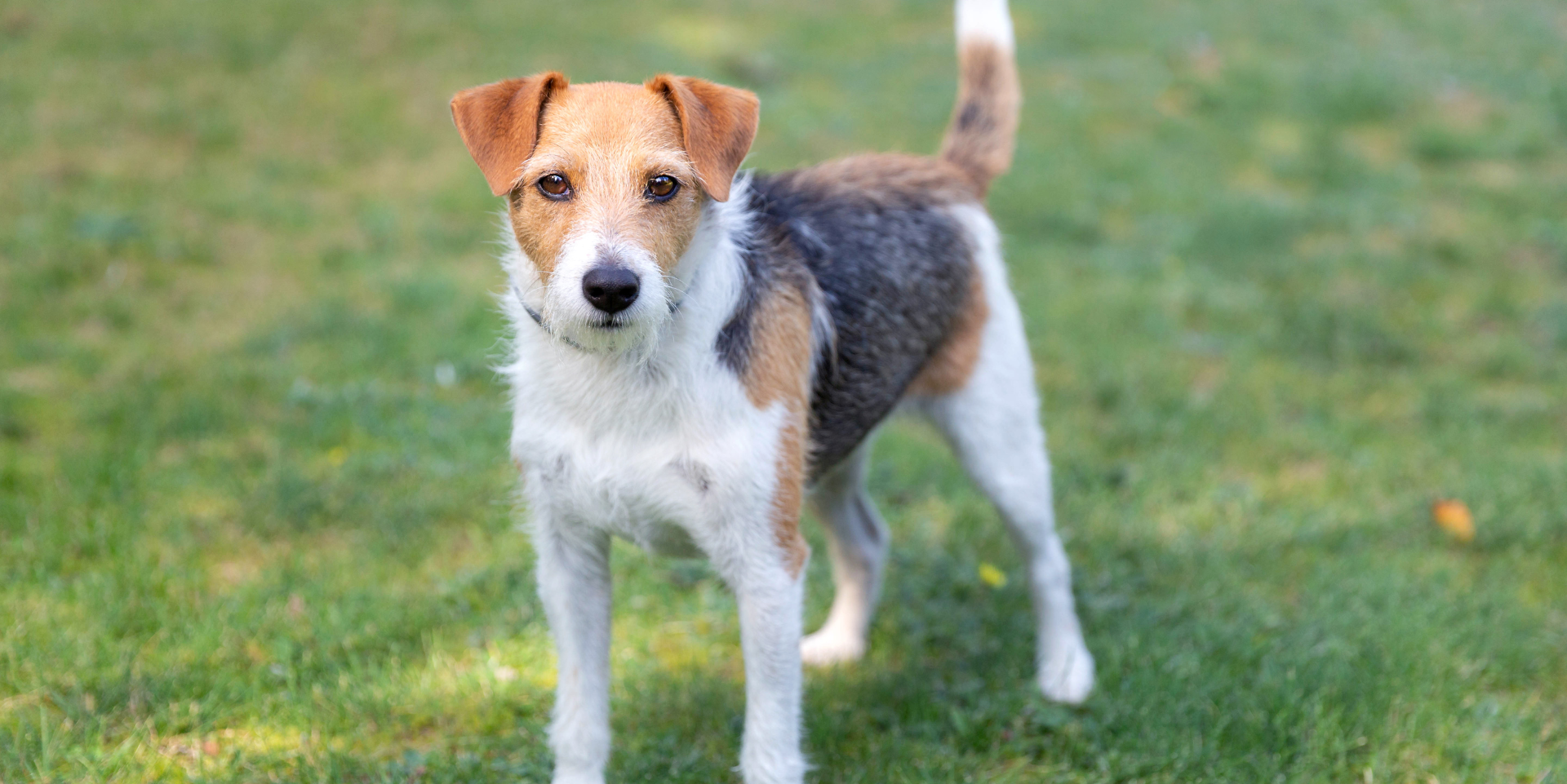
At Wicklow Animal Welfare, we see the consequences when people do not know the rules. Dogs seized because an owner could not prove they had a licence. Animals ending up in pounds over something as simple as a missing ID disc. Owners facing fines that could have been avoided with a bit of straightforward information.
This guide covers what Irish law actually requires of dog owners. It is not complicated. Most of it takes about ten minutes to sort out. But it matters, both for your dog and for you.
Information sourced from Citizens Information. More information available on the Gov.ie website here re: “Being a Responsible Dog Owner”. There is also a flyer with additional information.
Dog Licences: Yes, You Need One
If your dog is over four months old, you must have a dog licence. There are no exceptions for friendly dogs, small dogs or dogs that never leave the garden.
There are three types of licence:
Individual dog licence — €20, valid for one year.
Lifetime of dog licence — €140, valid for your dog's lifetime.
General dog licence — €400 per year, covering multiple dogs at one location. Application goes directly to your local authority.
Individual and lifetime licences can be applied for online at licences.ie or at your local post office. The lifetime licence is worth considering for younger dogs. At €20 a year, you break even at seven years. Most dogs live well beyond that.
A tip from us: Take a photo of your dog licence and save it to your phone. If a dog warden asks for evidence and you do not have the physical licence on you, a photo gives you something to show on the spot. It could save you a fine.
Microchipping: A Legal Requirement, Not an Optional Extra
Every dog must be microchipped by a vet and registered in the owner's name on an authorised database before they are 12 weeks old. If a puppy leaves the property where it was born before 12 weeks, it must be microchipped before it goes. This is the breeder's legal responsibility, not yours, but it is worth confirming when you collect a dog.
Getting a dog microchipped costs approximately €25. Some organisations offer this at a lower cost or for free. WAW microchips every dog before they leave our care.
A tip from us: A microchip is only as useful as the information attached to it. If you move house or change your phone number, update your details on the microchip database straight away. A chip linked to an old address will not help reunite you with a lost dog. It takes five minutes to update and could make all the difference.
Collars and ID Discs: Small Things That Matter
Your dog must wear a collar or harness at all times. The collar must carry the name and address of the owner. If it does not, a dog warden can issue an on-the-spot fine immediately.
An engraved disc is the most reliable option. Printed tags fade. Engraved discs last. Make sure the information is still readable. If it has worn down, replace it.
A tip from us: Keep a spare disc. They cost very little and take a few days to arrive. If your dog's collar ever needs to come off for grooming, a vet visit or an overnight stay, you want to be able to replace the ID quickly. We ask every adopter to bring an engraved disc when collecting their dog. It is not a formality. It is the law.
Dog Wardens: What They Can and Cannot Do
Dog wardens are appointed by local authorities and have significant powers under the Control of Dogs Act 1986. It is worth knowing what they are.
A dog warden can request your name and address if they suspect an offence. They can seize and detain any dog. They can enter any premises to do so, with the exception of your home. They can ask for evidence of your dog licence and issue an on-the-spot fine if you cannot provide it.
If you obstruct a dog warden, refuse to give your name and address or give false details, you can be arrested by a Garda. These are not theoretical consequences.
A tip from us: If a dog warden stops you, cooperate fully. Have your licence photo ready on your phone. Make sure your dog is wearing their collar and ID disc. Those three things cover the vast majority of what a warden will check.
A Note on Cruelty Convictions
If you have been convicted of cruelty to a dog under the Protection of Animals Acts 1911 and 1965, you can be banned from keeping a dog entirely. WAW carries out home checks on all adoptions. We take welfare seriously and we will not place a dog in a home where there is any concern.
The Bit We Would Add
The law sets a minimum standard. Meeting it is not the same as being a responsible dog owner, but it is the baseline every dog owner in Ireland is expected to meet.
A licence. A microchip. A collar with readable ID. These things protect your dog if they ever get lost, protect you if you ever get stopped and protect the dog warden system that, for all its limitations, is what stands between a stray dog and a very uncertain outcome.
If you are taking on a dog for the first time, or if your current dog's paperwork is not quite in order, now is a good time to sort it.
Every dog adopted from Wicklow Animal Welfare leaves with their microchip registered, their vaccinations complete and their neutering done. The licence and ID disc are the only things we ask you to bring on collection day.